EUV lithography is the state of the art. It makes far denser chips and is quite out of reach for the backyard fellow. Find a documentary on how ASML machines work: they're near the pinnacle of human accomplishment!
Or effective decontamination performed in the airlock. There was a recent demonstration of an electrostatic repulsion device reducing dust on suit fabric which might help with sticking. And an air shower like used for clean rooms does not seem too far out.
Could the suit itself be used as a type of airlock, to leave outside things outside?
For example, mounting yourself onto a wall, then the back/whatever of the suit opens to the inside, and you hop out? (yes, there would be some dust recovery required, but minimal in comparison)
The challenge with the "suits stay outside" model is that you basically need some kind of airlock between the suit hatch and the ship hatch. You might imagine both hatches get contaminated when the suit is detached. Then when you dock, that whole between-hatch space needs to be decontaminated before you can open the two hatches, because the outside of the suit hatch brought that stuff into the airlock.
It looks like that requires a panel to move out of the way. I was thinking more like "zipper" (probably more of a contiguous interface), so closer to zero volume when attaching, then it "unzips"/splits and pulls the back of the suit open, into the cabin.
    |
    |     /\
    | to |  |
    |     \/
I don't see why an intermediate airlock would be required, except maybe for redundancy/safety reasons if the "unzip" process went wrong.
Since the inside of the suit is already at pressure, you could just pop it open and step out.
The near-zero volume of the coupling would make things much easier to clean/isolate.
As fatiguing as legal breach notices are to lay people, it's equally frustrating as a dev because security is not a distinguishing feature we can advertise in our product so we can't prioritize it at all. Let the lawyers figure it out later seems to be best practice now.
And of course vuln finding is now automated so even if we do a good job locking it down this morning, nothing will not keep out the next wave tonight.
Plus, our current political atmosphere encourages digital chaos, for example gutting CISA.
The sandbox is fine, but if the parent has given explicit instruction of files to inspect, why is it not centering there? Is the recent breakage that the base prompt makes it always try to explore for more context even if you try to focus it?
Because the "explicit instruction" you give AI is not deterministic as in a normal computer program. It's a complete black box and the context is also most likely polluted by all sorts of weird stuff. Putting it on as tight of a leash as possible should be seen as normal.
They changed plan mode so that it's instructed to follow a multi-step plan, the first step being to explore the code base. When you tell it to focus it's getting contradictory instructions from plan mode vs your prompt and it's essentially a coin flip which one it picks.
It does seem like a cynical attempt to make more money.
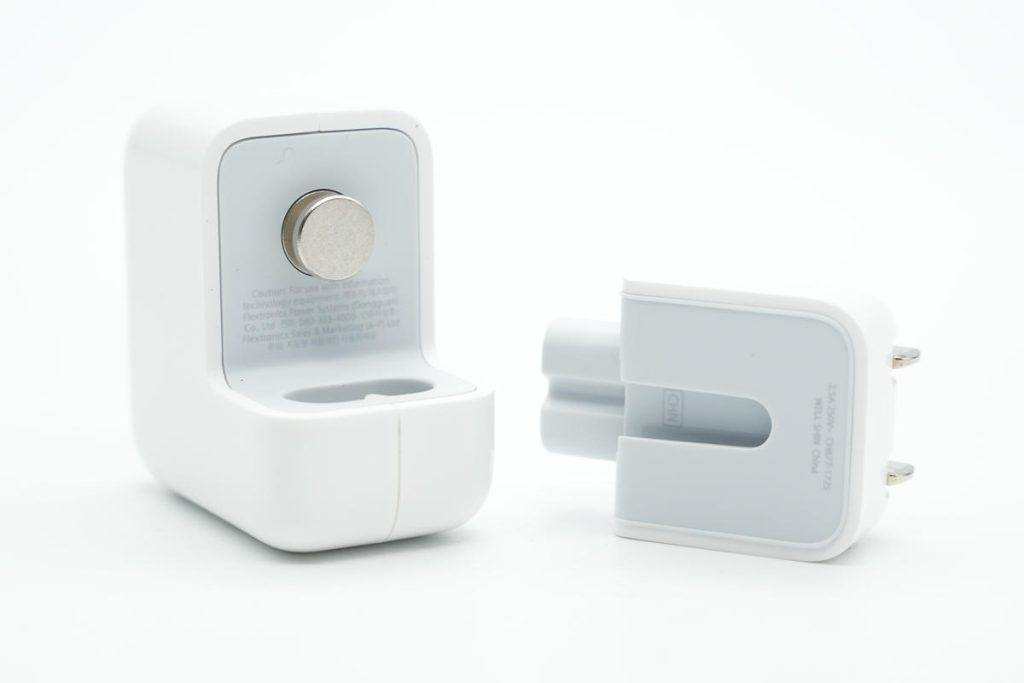
There are grounded duckheads for this purpose, e.g. https://amzn.to/4cnzuef (note out of stock. I guess your best bet is to use a UK duckhead, but half of those have a dummy ground...)
if you take the plug part from the brick you'll note that there's only two pins but the button-like thing is a ground
There's zero chance that the DC ground in the laptop is tied to earth ground in the charger: they use LLC resonant converters and flyback converters (depending on vintage) - an earth ground tie would defeat the purpose of these isolated topologies.


And it should not depend on their status page which seems to take a while to catch up when there's an actual outage.
reply