Or just a reserved section at the beginning which must be zero and can be upgraded to a version in the future. This is effectively the same as a version, but semantically more flexible as you are not deciding on a version schema yet.
I really appreciated that they've made their pro examples available for free for education purposes. I made use of one of those examples for my undergraduate final year project.
It may be harsh but the reality is, if you have to ask you’re likely not a viable candidate.
The leading AI companies have the kind of capital to be able to hire the very best of the industry. If you’re only just starting now and even worse yet need your hand held to do so you’re totally out of the running…
Could someone perhaps provide a steelman argument for this? My own personal read on this is really cynical...
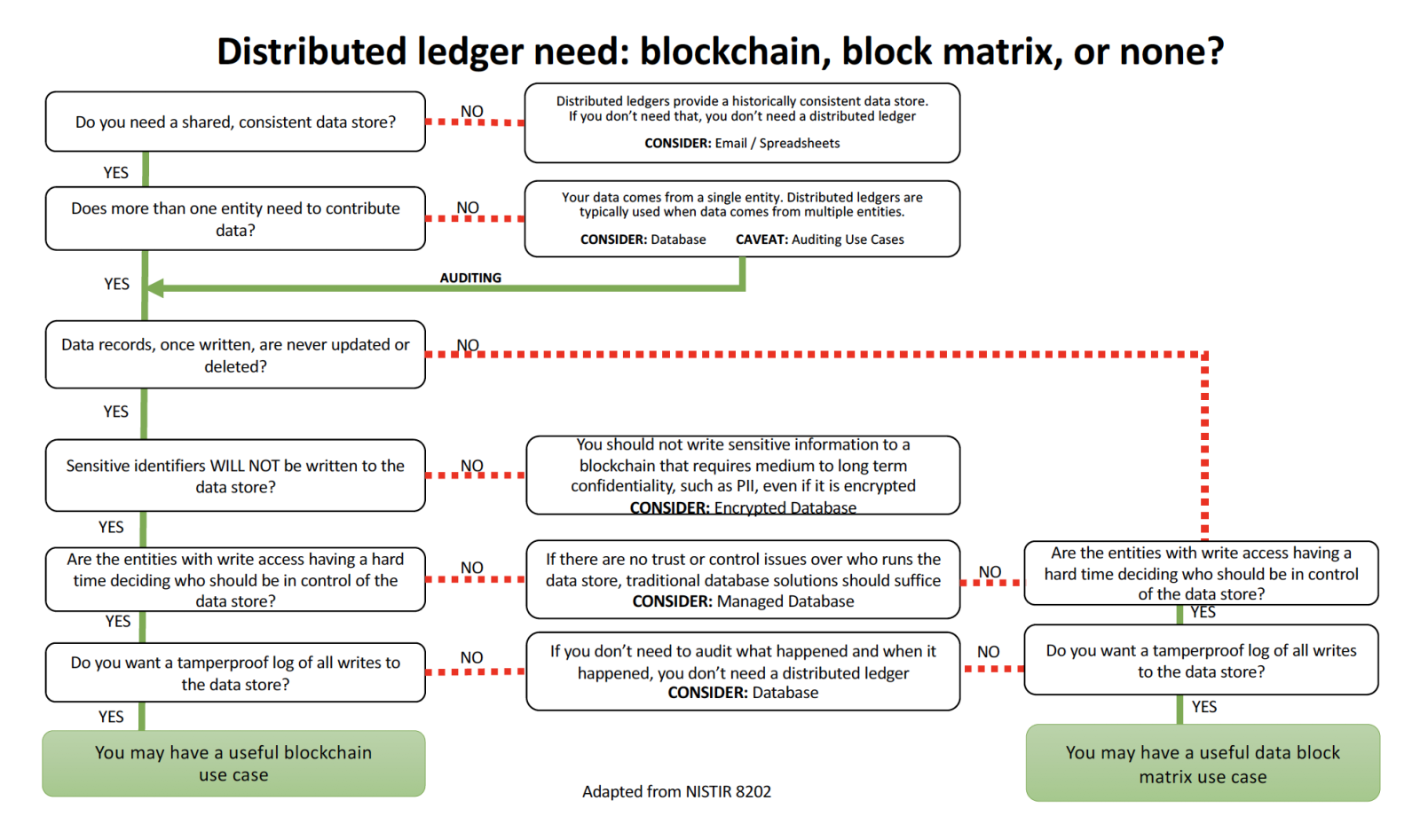
As per NIST's recommendations[1] it seems like a blockchain doesn't make sense for this use case.
From where I stand it seems like Cloudflare is side-stepping the scrutiny, regulations and perhaps most pertinently the cost that would govern a similar offering using traditional financial instruments.
Microtransactions are unworkable with traditional financial instruments. Electronic funds transfers and online credit card transfers must (by law) be reversible, and reversibility means cost to the issuer, which means fees for the merchant (in this case Cloudflare). Transactions under a dollar stop making financial sense, god forbid alone anything like a fraction of a cent.
In 2024 Congress signed a law that the transfer of digital assets does NOT count as an electronic funds transfer. This was a huge legislative victory for crypto, which had previously sat in regulatory limbo. The reason why you didn't see anybody using cryptocurrency as, well, currency, and its only use seemed to be as a speculative asset, was because nobody was sure if transferring crypto counted as an EFT, and the CFPB refused to make a decision one way or the other.
Why did Cloudflare choose to use cryptocurrency? They could technically use any digital asset. They could design their own custom digital asset used to facilitate transactions (hell, use Cloudflare stock as the currency), but they would just be reinventing cryptocurrency, but worse, and have to fight an uphill battle to get trust and adoption and risk regulatory scrutiny. A few months ago, Congress signed a law that provided a regulatory framework for stablecoins. These assets are "stable" because they are pegged 1:1 with USDs.
So, stablecoins have emerged in 2025 as the clear winner for microtransactions on marketplaces. No worrying about liability for reversibility. Clear regulatory framework (developing a custom solution risks a CFPB investigation). 1-1 USD backing makes customers trust you more, for good reason. AML checking and sanctions list checking happens at the currency conversion to / from USD, which dramatically simplifies your engineering, latency, and risk requirements.
> Yes, every NET Dollar will be fully collateralized by a U.S. dollar, ensuring transparency, reliability, and price stability.
Really? Backed by an asset that's depreciating at 3-4% annually? A money market fund, such as other stablecoins use, seems more likely. With billions of principal, every basis point of yield will be wanted. And the way to maximize is to hold commercial, not government, paper.
The only good thing about Blockchain today is Bitcoin's scarcity.
Almost every other project out there would be better off as a centralized project — heck, many of them are centralized, while claiming to hold on to the decentralized cyberpunk ethos — if not being outright scams.
I've personally found one compelling use case, decentralised DNS, I'm sure there are other projects attempting this but the one I'm familiar with is Namecoin[1]
I'm working on a project that is based on blockchain for the key purpose of making the data on it effectively available to all to add to and to consume -- basically providing a public utility for the data hosting.
It's not a path to riches (I can see a possible lifestyle business out of it), it's about giving people new opportunities.
I've been chewing on this for years and only now that Claude has shown up do I have a partner to help me make this work.
I do have some experience working on blockchain for a startup (non-ICO) that helped inspire me, but the experience itself bordered on being PTSD-inducing. The people I worked with were True Believers of Crypto, but the product we were building used crypto solely to tell their investors it was a blockchain company -- not that their product leveraged it at all.
> it seems like a blockchain doesn't make sense for this use case.
given, most traffic will likely be from ai agents, does it make more sense to try to hack agents into using credit cards, having shared social security numbers, opening bank accounts, dealing with chargebacks and slow settlement?
or
does it make sense to use technology that is
- internet native
- programmable
- near instant
- secure
- permissionless
the volatility issues are resolved through the use of stablecoins.